Wig Buying Tips
Wig Size and Fit Checklist Before You Buy
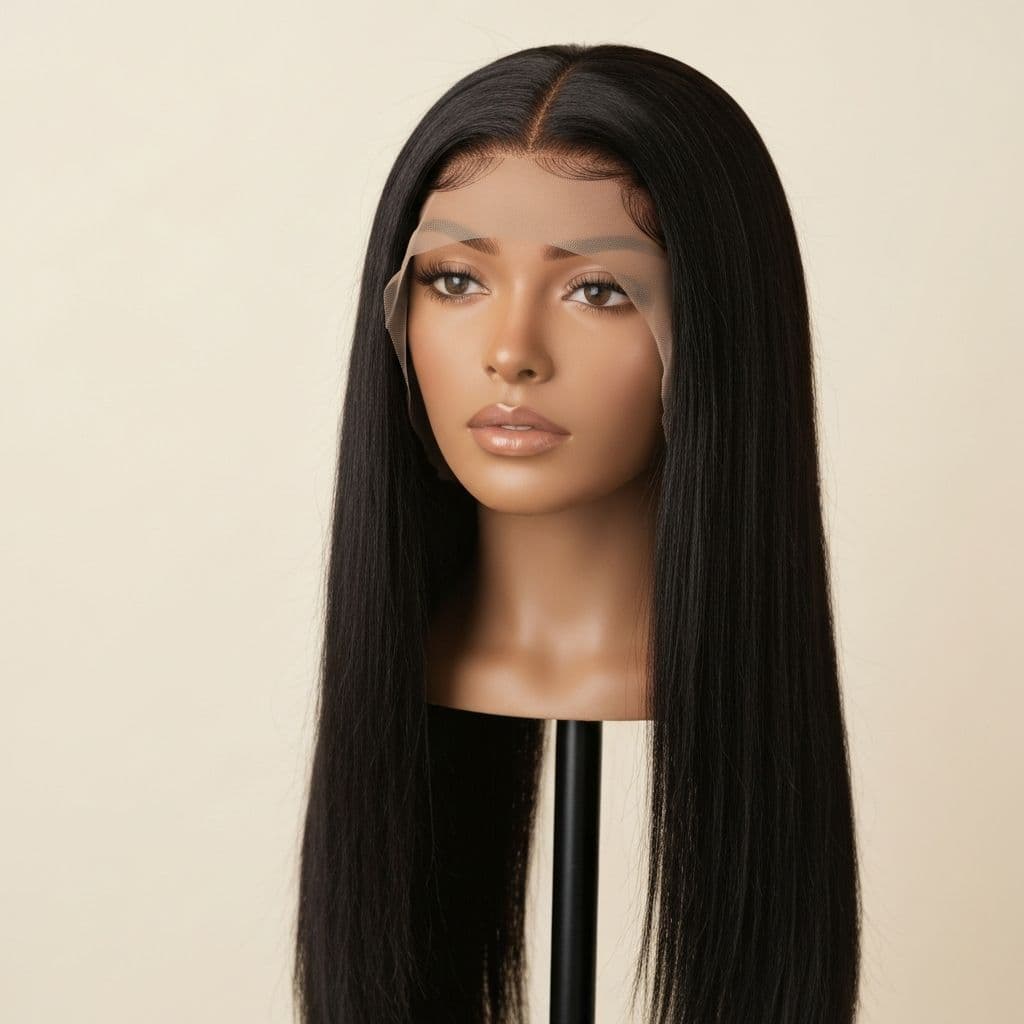
Use this checklist to avoid common fit problems and pick the right cap size, density, and lace setup before placing your wig order.
Take accurate base measurements
Start with circumference, front-to-nape, temple-to-temple, and ear-to-ear dimensions. These measurements determine whether the wig sits naturally or creates pressure and lift points.
Measure twice and write everything down. Small errors can lead to discomfort, lace lifting, or a wig that shifts during daily movement.
Pick cap construction for your routine
Breathable caps are ideal for long wear days, while reinforced options may feel more secure for active routines. The right cap depends on wear duration and activity level, not trends alone.
If you plan frequent styling changes, choose a construction that supports your parting and movement needs. Comfort and flexibility should be evaluated together.
Lace type and hairline realism
HD lace can offer a very natural finish in close-up visuals, while standard lace may be easier to maintain and more durable for daily wear.
Choose hairline density that matches your age and style goal. Overly dense fronts can look less realistic, even when the lace quality is high.
Balance length and density
Long wigs with high density can feel heavy over extended hours. If comfort is your priority, moderate density often gives a cleaner silhouette with less maintenance.
Short to medium lengths are typically easier for daily use, while extra-long options suit occasional glam looks when you can allocate more styling time.
Glueless vs adhesive setup
Glueless wigs are faster for daily use and easier to remove at night. Adhesive methods can improve hold for events, but require more prep and cleanup.
If you are new to wigs, glueless systems usually offer the best learning curve. You can always upgrade your hold method after mastering placement.
Comfort test and adjustment points
Check pressure around the temples, nape, and ear tabs after several hours of wear. A wig that feels fine for ten minutes may become uncomfortable over a full day.
Use straps and comb placement for fine tuning. Correct adjustment should secure the wig without creating tension headaches.
Final pre-order checklist
Before checkout, confirm size measurements, cap type, lace preference, density, length, and intended wear method. This reduces return risk and post-purchase correction costs.
A successful wig purchase is one that looks natural, feels comfortable, and matches your maintenance capacity. Style quality and practicality should always be balanced.
Frequently Asked Questions
What measurements are most important before buying a wig?
Circumference, front-to-nape, and ear-to-ear are the most critical because they determine base fit and overall stability during wear.
Is HD lace always better than regular lace?
HD lace often looks more invisible, but regular lace can be more durable for daily use. Choose based on lifestyle, not only close-up appearance.
Do beginners need adhesive wigs?
Not necessarily. Many beginners start with glueless wigs because they are easier to install, remove, and maintain while learning.
How do I know if my wig density is too high?
If the hairline looks bulky or the wig feels heavy for normal wear, density may be too high for your face shape and daily comfort needs.