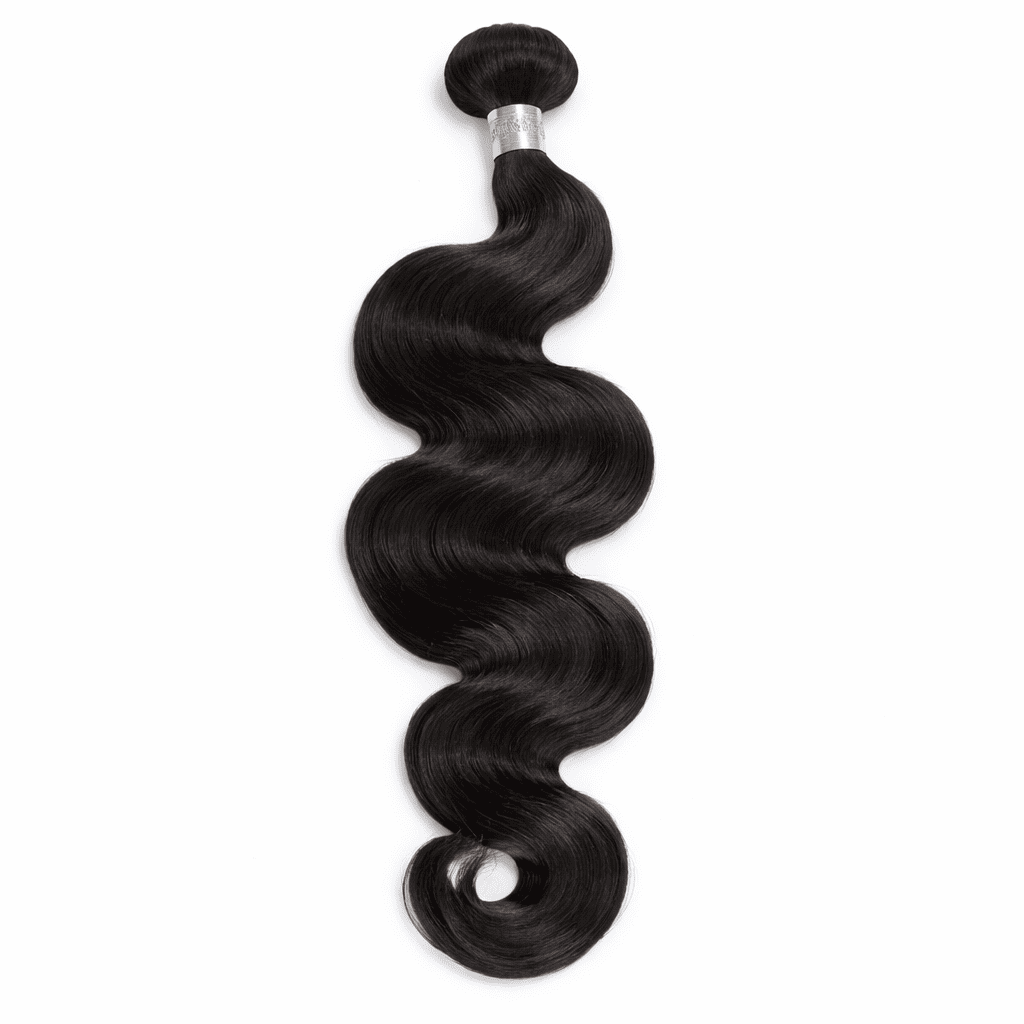
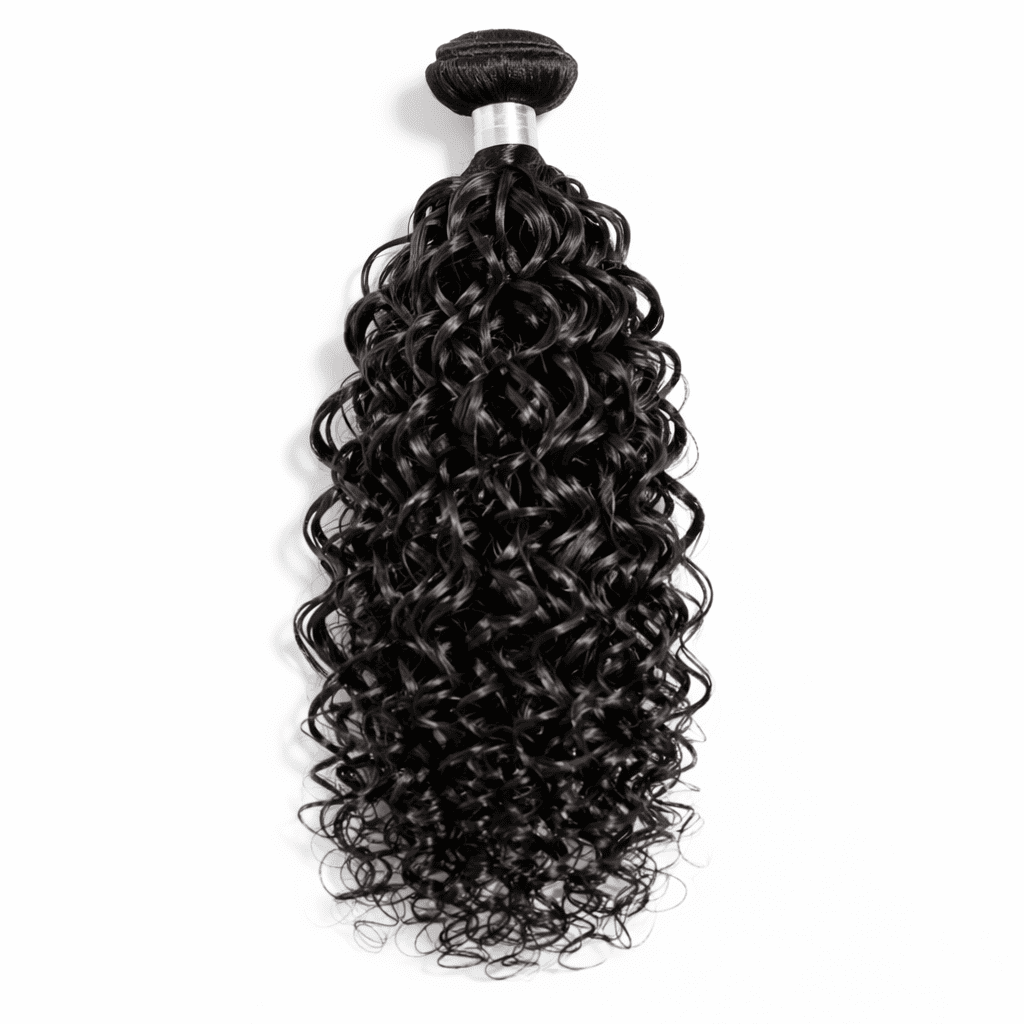
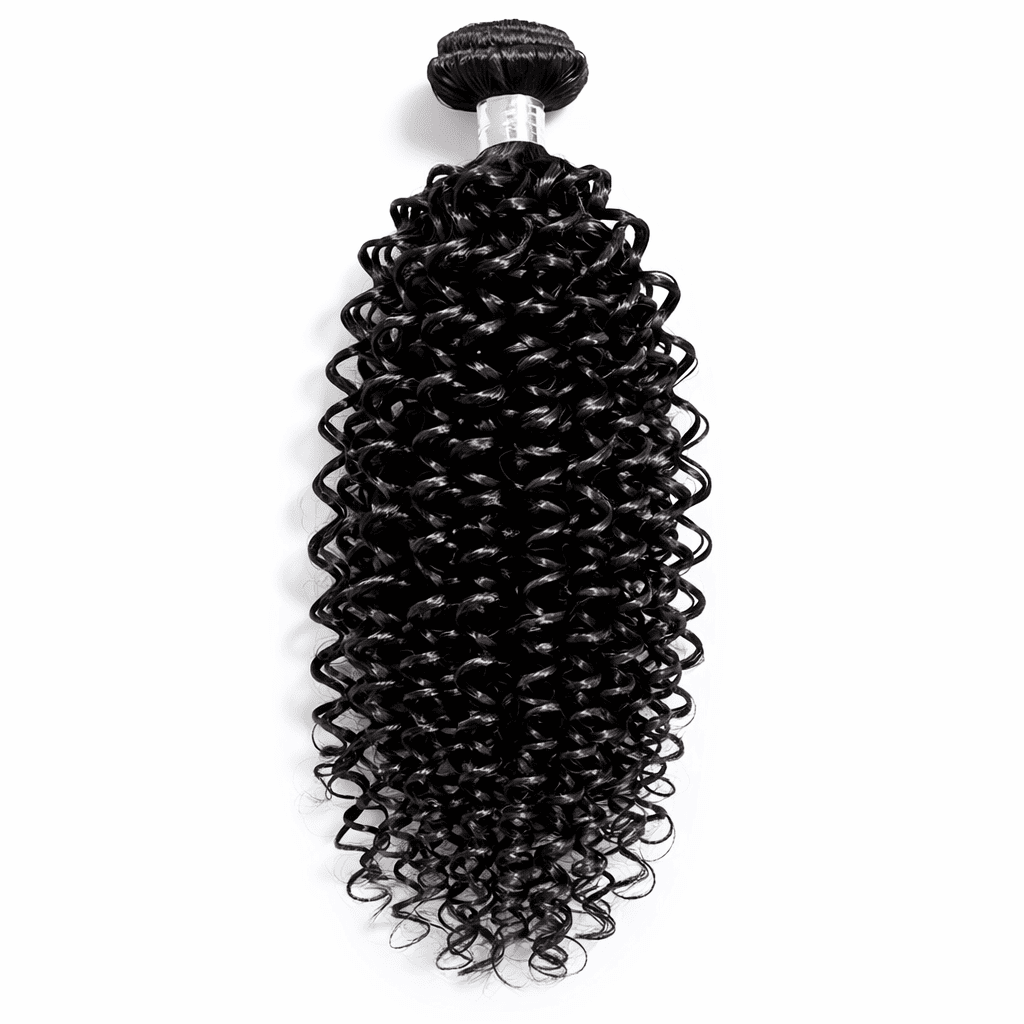
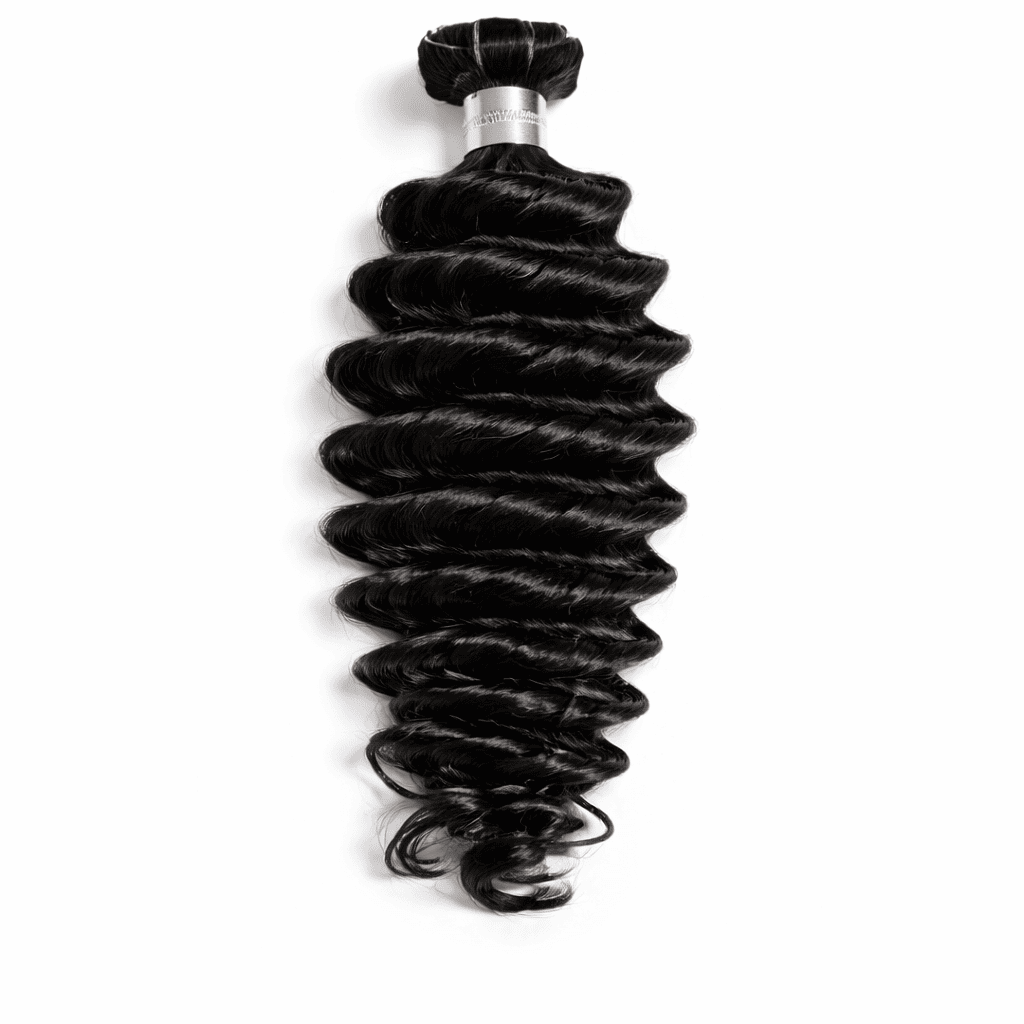
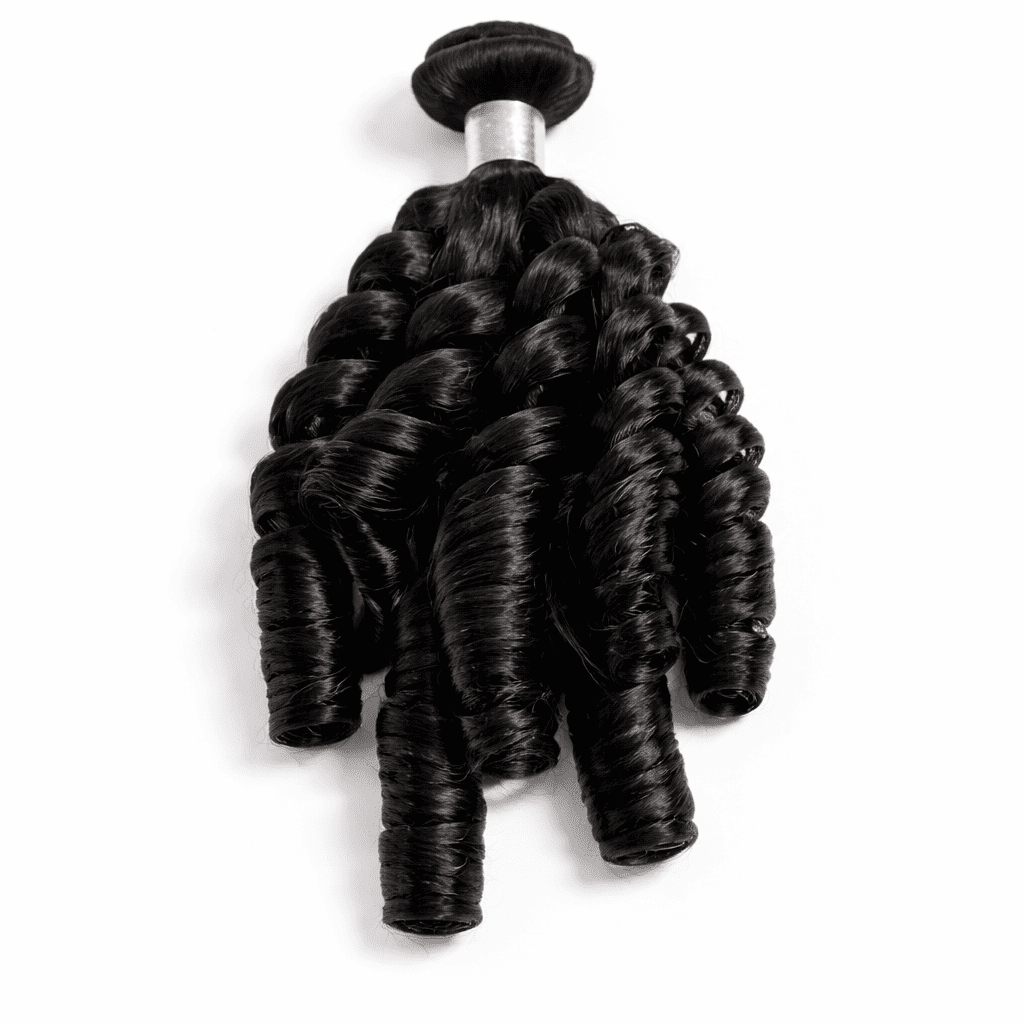
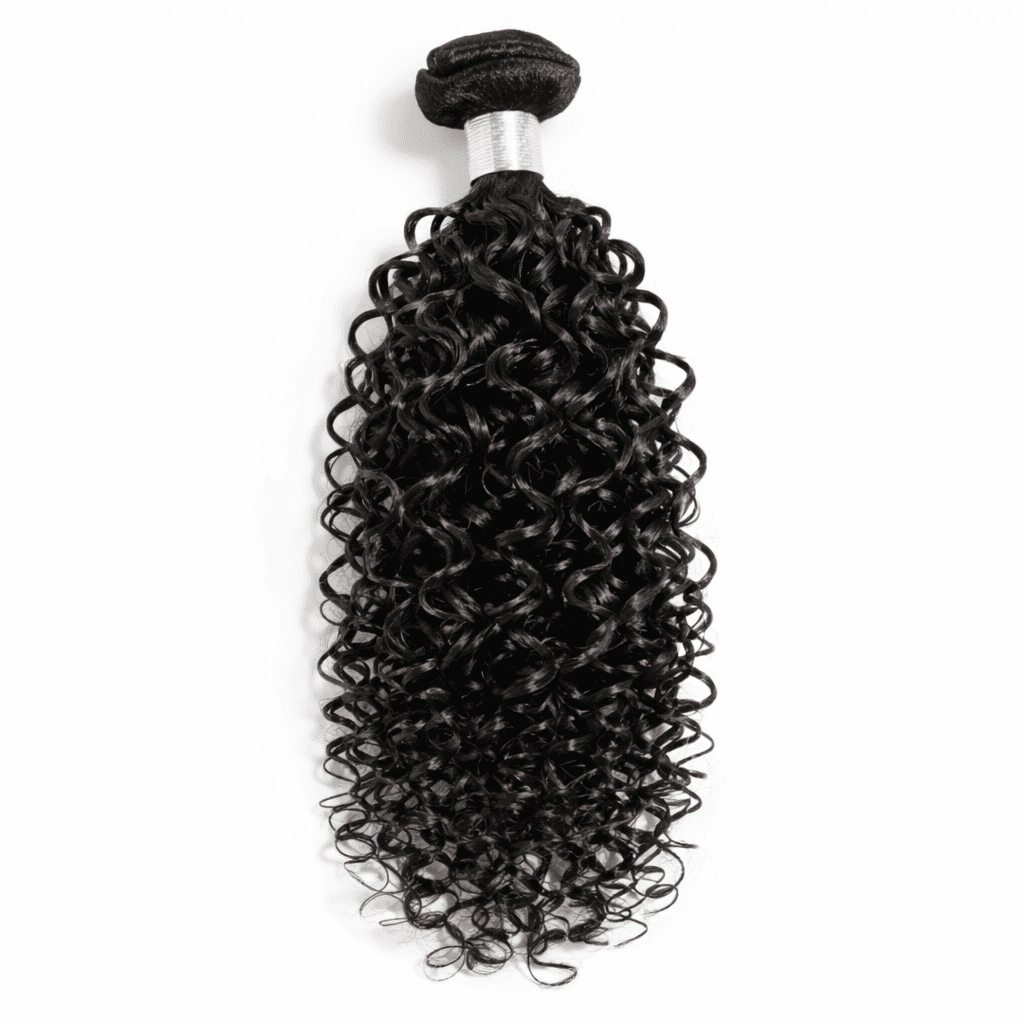
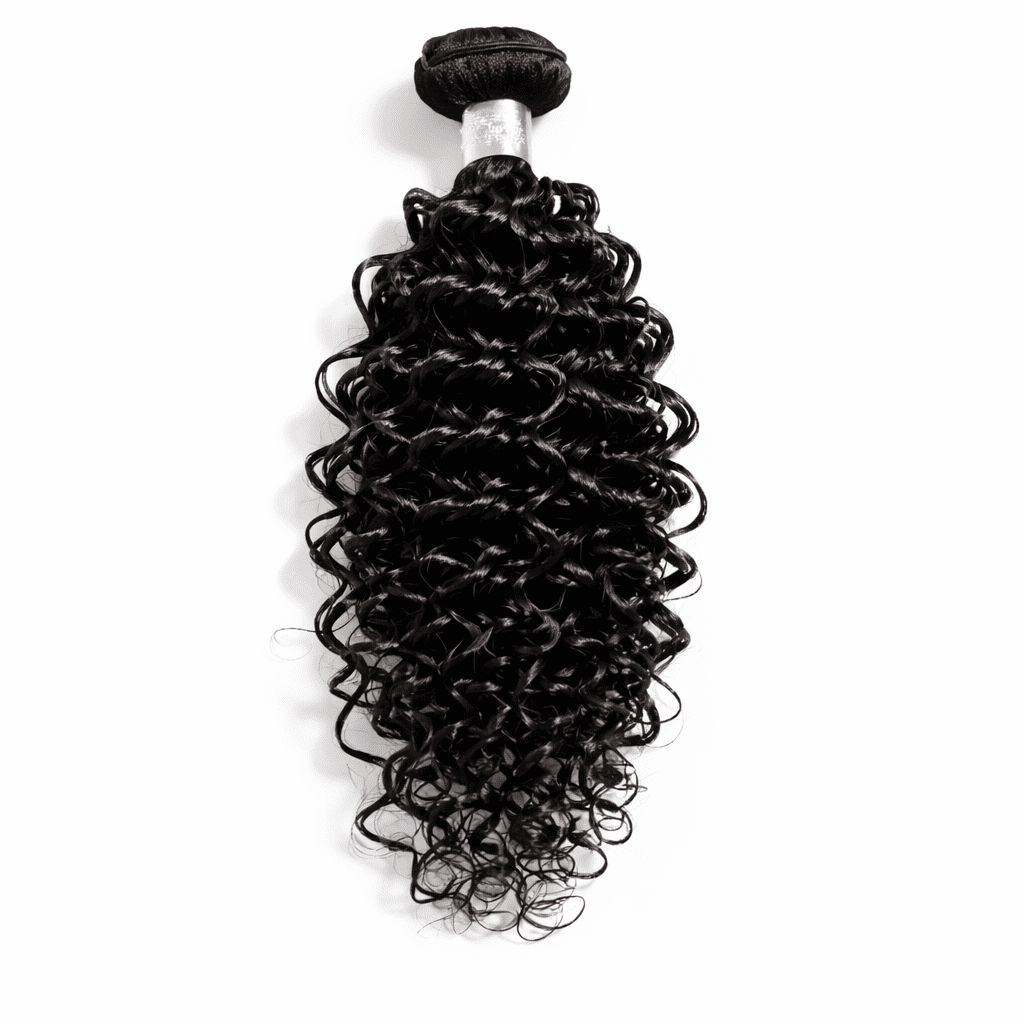
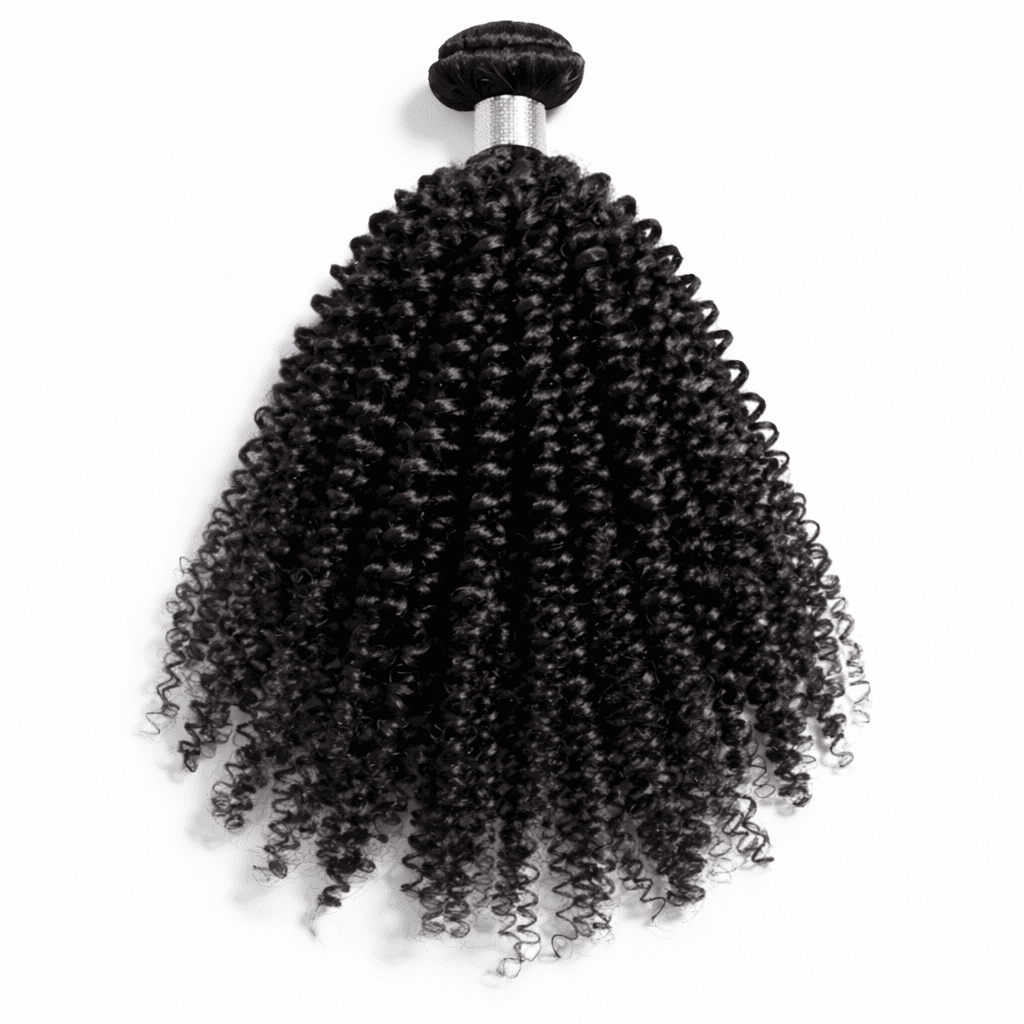
Weft Hair Care
Weekly Weft Hair Care Routine for Long-Lasting Results
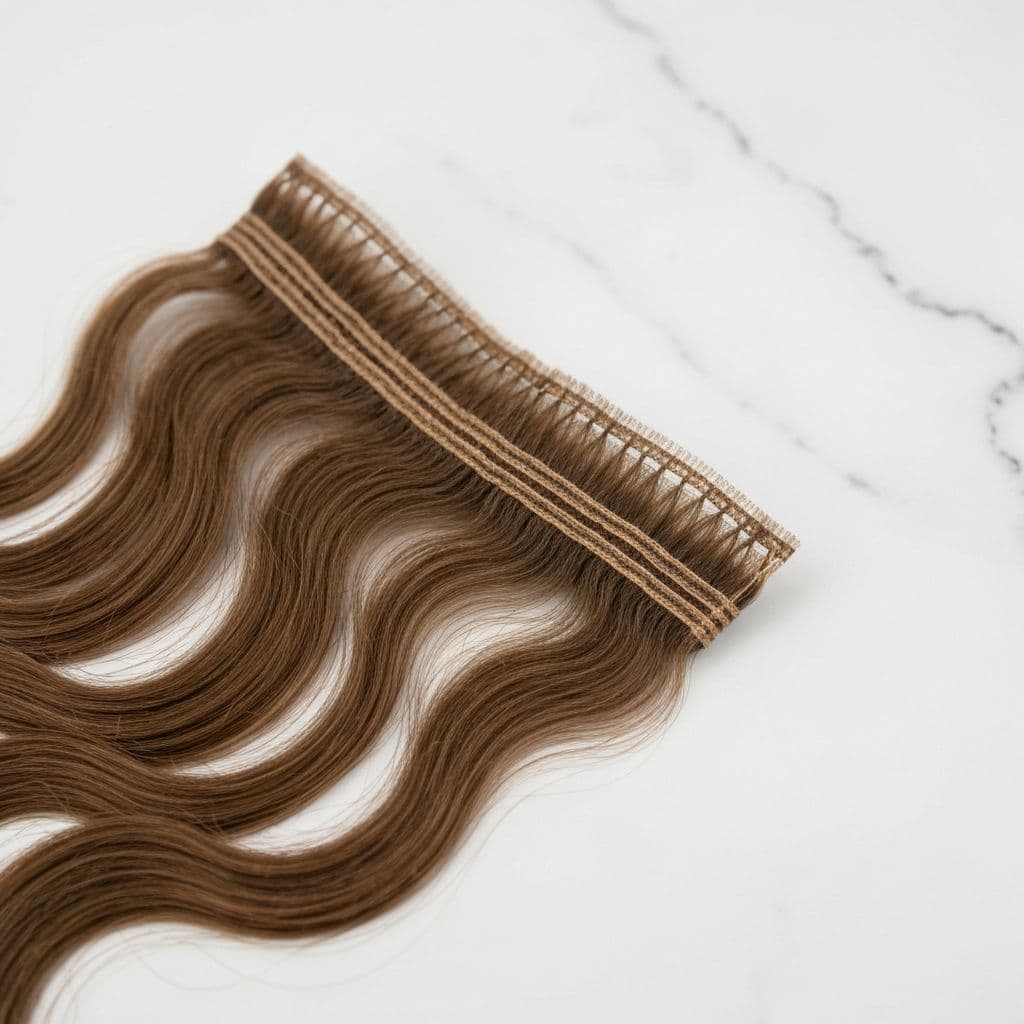
A practical week-by-week maintenance routine to keep weft hair soft, clean, and reusable for longer with less tangling and shedding.
Build a simple weekly care schedule
A predictable weekly routine gives better results than occasional deep treatment. Most weft users do best with one major wash day plus one light refresh session depending on activity level.
Consistency matters more than product quantity. A repeatable system keeps cuticles smoother, reduces stress on seams, and helps you detect dryness before it becomes visible damage.
Pre-wash detangle method
Before washing, separate sections and detangle from ends upward using a wide-tooth comb. This step prevents knot tightening during water exposure and reduces unnecessary pulling.
If the hair feels dry, apply a small amount of lightweight leave-in spray before detangling. Avoid heavy oils at this stage because they can make cleansing less effective.
Wash-day technique that protects seams
During washing, move in a top-to-bottom direction and avoid circular scrubbing at the tracks. Gentle directional cleansing helps keep strands aligned and lowers shedding risk.
Use lukewarm water and sulfate-free shampoo. Very hot water can dry the fiber faster and make the texture harder to manage after styling.
Conditioning and moisture recovery
Apply conditioner from mid-length to ends and allow enough processing time before rinsing. A weekly mask can restore softness, especially when heat tools are used regularly.
Do not overload the roots or seam area with heavy conditioner. Concentrating moisture at the lengths keeps volume controlled and prevents buildup near attachment points.
Drying and heat management
Press water out with a microfiber towel instead of rubbing. Friction while wet is one of the main causes of frizz and surface roughness on weft hair.
Air dry when possible, or blow-dry with low to medium heat and a protectant. Repeated high heat can reduce softness and shorten the service life of the weft.
Night and travel protection
Before sleeping, use a loose braid, low ponytail, or silk wrap to control tangling. This single habit dramatically reduces morning breakage and detangling time.
For travel, keep the hair secured and avoid sleeping with fully loose textured lengths. Portable silk wraps and a mini detangling brush are worth keeping in your routine kit.
When to refresh or replace
If ends become consistently dry despite mask treatment, schedule a trim or replace worn bundles. Regular evaluation is cheaper than trying to recover heavily damaged lengths.
Healthy weft hair should feel soft after wash day and detangle with minimal effort. If that baseline disappears for several cycles, a refresh is usually the right decision.
Frequently Asked Questions
How often should I wash weft hair if I wear it every day?
Most users do best with one main wash weekly and one light refresh if needed, depending on product buildup, sweat, and local climate.
Can I use regular shampoo on weft hair?
Sulfate-free shampoo is safer for long-term quality. Regular harsh cleansers can dry the hair faster and make tangling worse over time.
What is the best way to sleep with weft hair?
Use a loose braid, low ponytail, or silk wrap before bed to reduce friction and maintain smoother texture by morning.
When should I replace my weft bundles?
Replace when ends stay rough after proper treatment for several cycles, or when shedding and tangling increase noticeably despite routine care.