Hair Care
How to Maintain Human Hair Extensions in Humid Weather
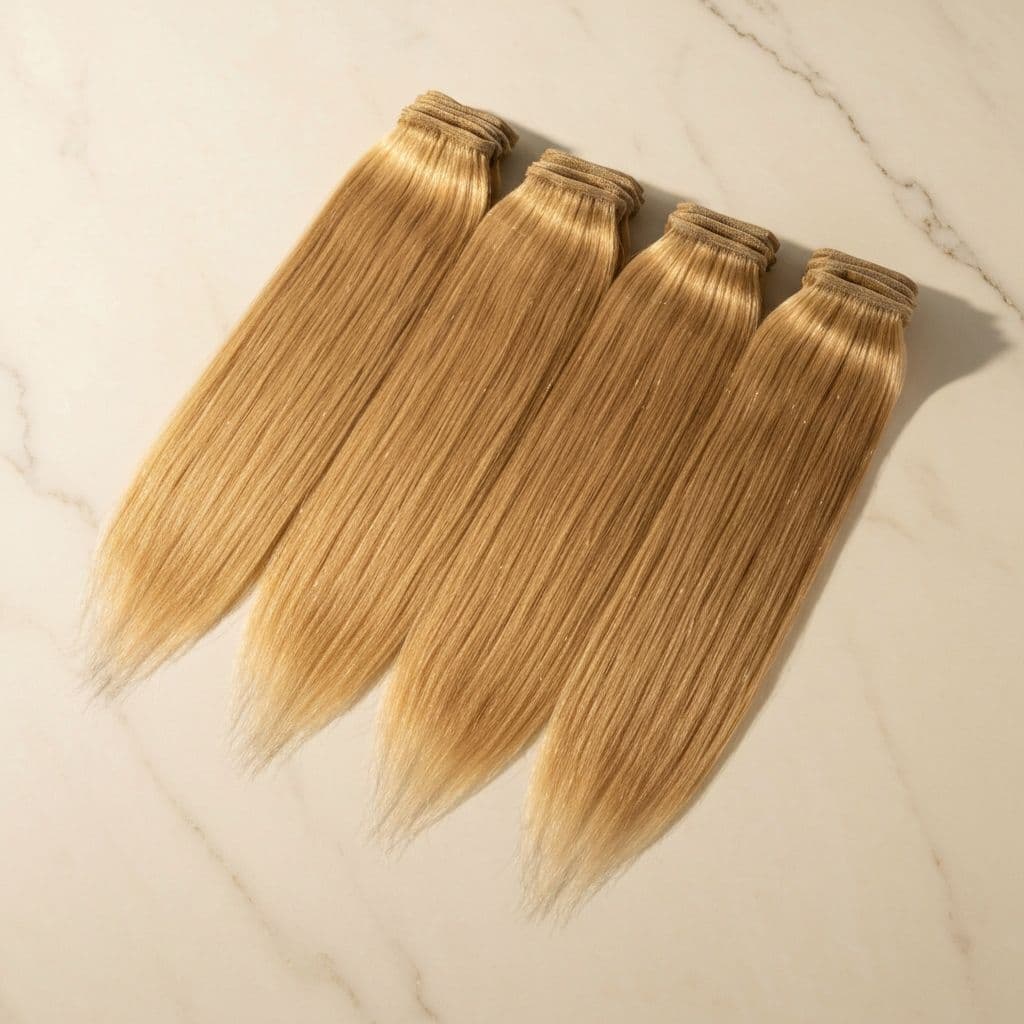
Humidity can cause frizz, tangling, and product buildup on human hair extensions. Learn proven techniques to protect your investment in tropical and humid climates.
Why humidity damages extensions faster
Human hair extensions absorb moisture from the air just like natural hair. In humid conditions, excess moisture causes the hair cuticle to swell, leading to frizz, tangling, and loss of style definition.
Over time, repeated moisture absorption and drying cycles weaken the hair fiber. Extensions in tropical climates may need more frequent conditioning and protective styling to maintain their original quality.
Anti-humidity product routine
Start with a sulfate-free moisturizing shampoo and a silicone-free conditioner. Silicone-free products prevent buildup that traps humidity and makes hair look dull.
Apply a lightweight anti-frizz serum or humidity-blocking spray as the final step of your styling routine. These products create a barrier that slows moisture absorption from the air.
Protective styles for humid days
On high-humidity days, choose protective styles like low buns, braids, or sleek ponytails. These styles reduce the surface area exposed to moisture and minimize friction.
Avoid leaving extensions fully loose in very humid weather. Tucked-away styles maintain smoothness longer and reduce the need for midday touch-ups.
Weekly deep conditioning schedule
In humid climates, deep condition extensions once per week instead of every two weeks. Look for masks with keratin or argan oil that restore protein and lock in moisture at the cortex level.
Avoid heavy, oily masks near the weft or attachment area. Focus conditioning from mid-length to ends where the hair experiences the most environmental stress.
Night routine adjustments
Before bed, lightly mist extensions with a leave-in conditioner and wrap in a silk or satin scarf. Silk reduces overnight friction and helps retain the previous day's styling effort.
If you use a humidifier in your bedroom, keep it at a moderate level. Excessive bedroom humidity can undo your anti-frizz routine while you sleep.
When to refresh professionally
If extensions feel consistently rough or look dull despite proper home care, schedule a professional deep treatment. A stylist can assess whether the hair needs protein, moisture, or both.
In consistently humid environments, plan professional maintenance every 4–5 weeks. This proactive schedule prevents cumulative damage that becomes harder to reverse.
Часто задаваемые вопросы
Can I use anti-frizz products made for natural hair on extensions?
Yes, most anti-frizz products for natural hair work well on human hair extensions. Choose lightweight, silicone-free formulas to prevent buildup.
How often should I wash extensions in humid weather?
Wash once per week unless you exercise heavily or swim. Over-washing strips moisture and can make hair more vulnerable to humidity damage.
Does hairspray help with humidity control?
Light hairspray can help hold style, but avoid heavy, alcohol-based formulas that dry out the hair. Look for flexible-hold sprays labeled anti-humidity.
Are certain extension textures better for humid climates?
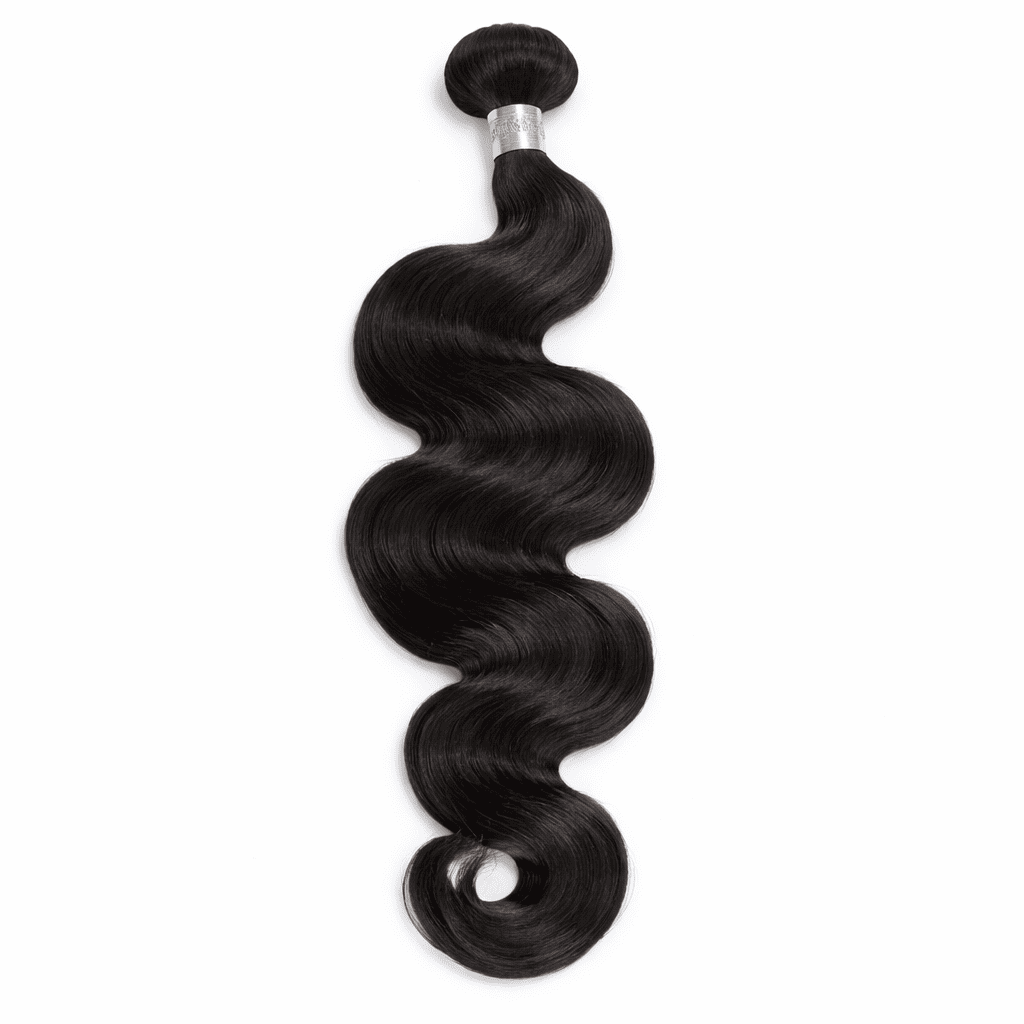
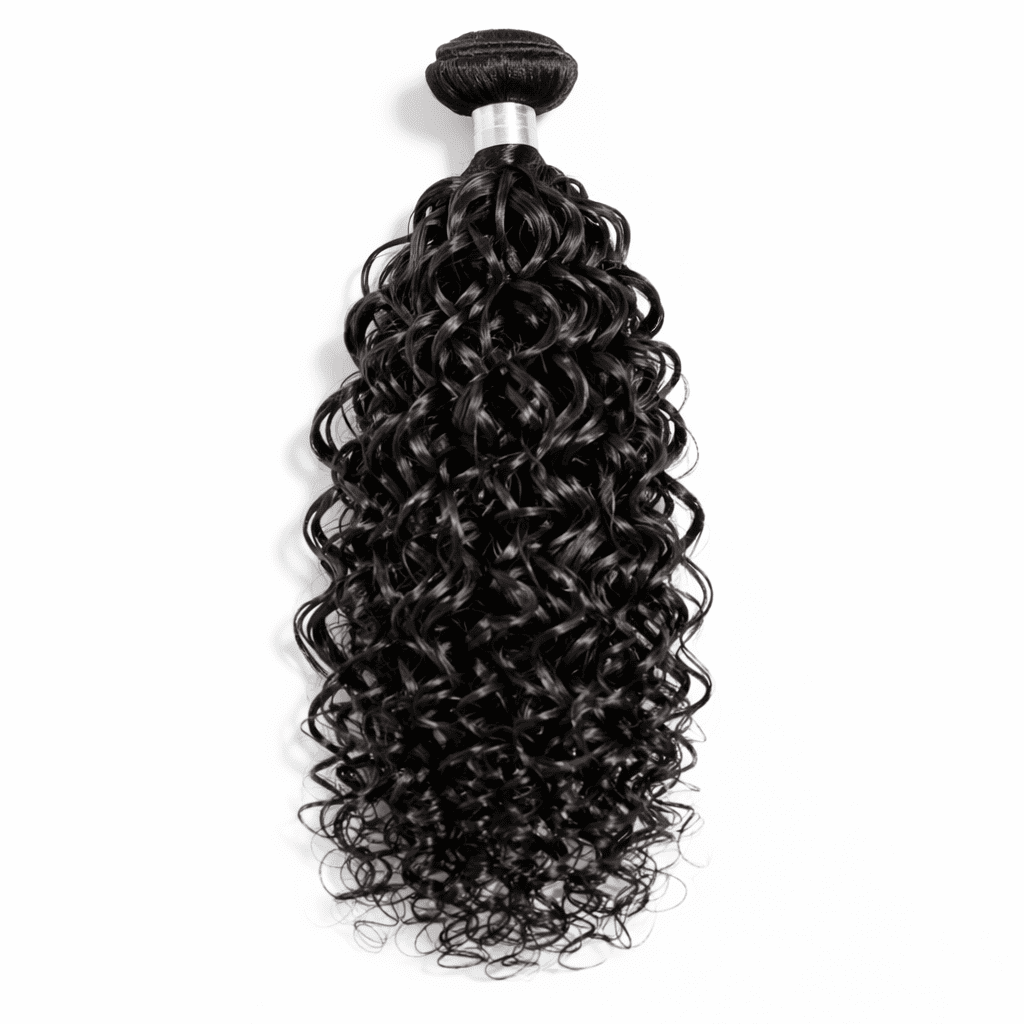
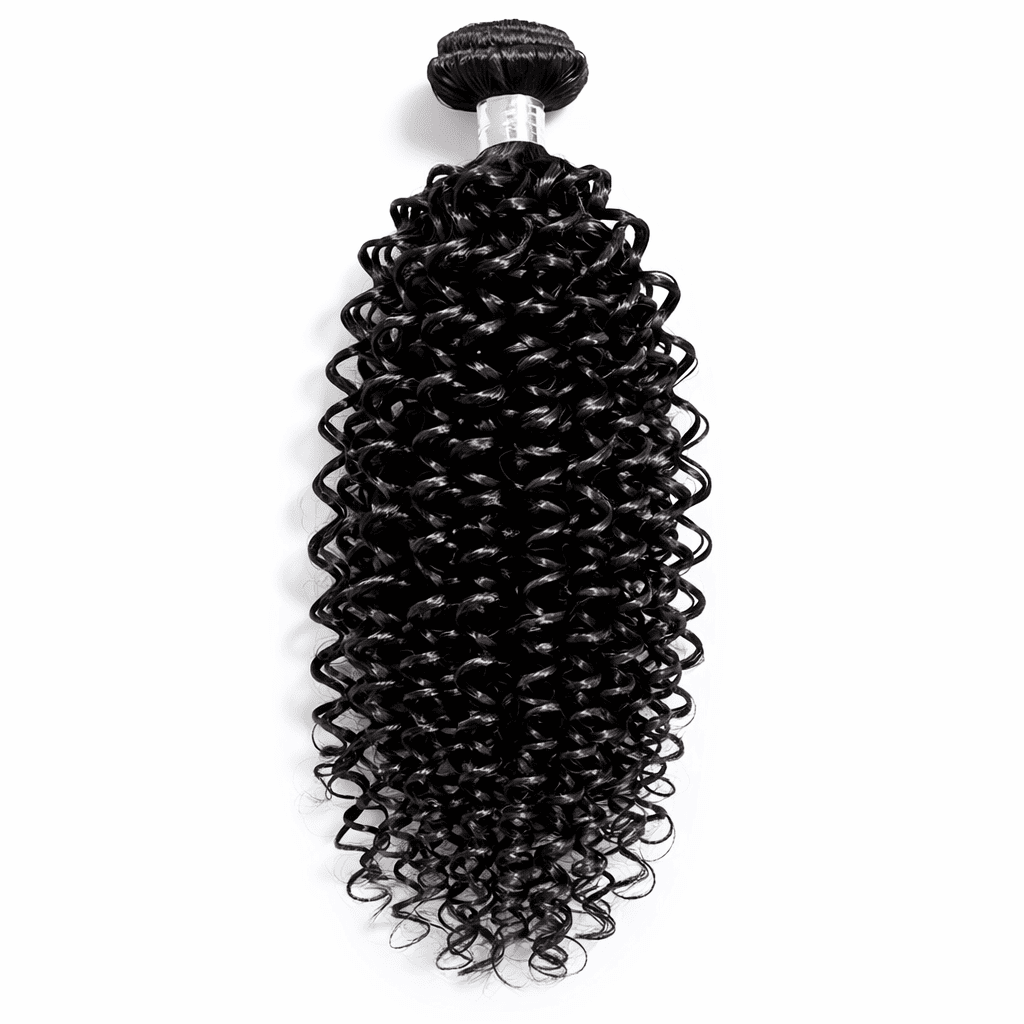
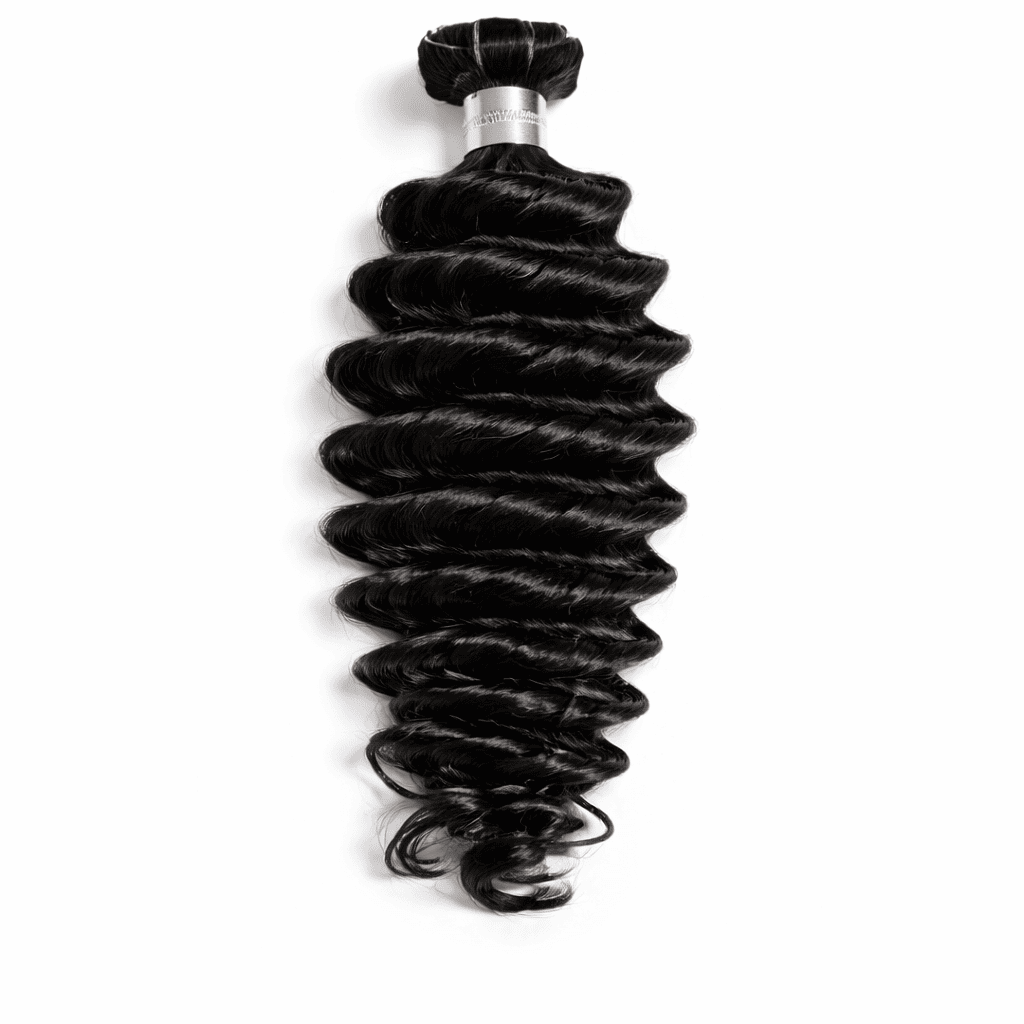
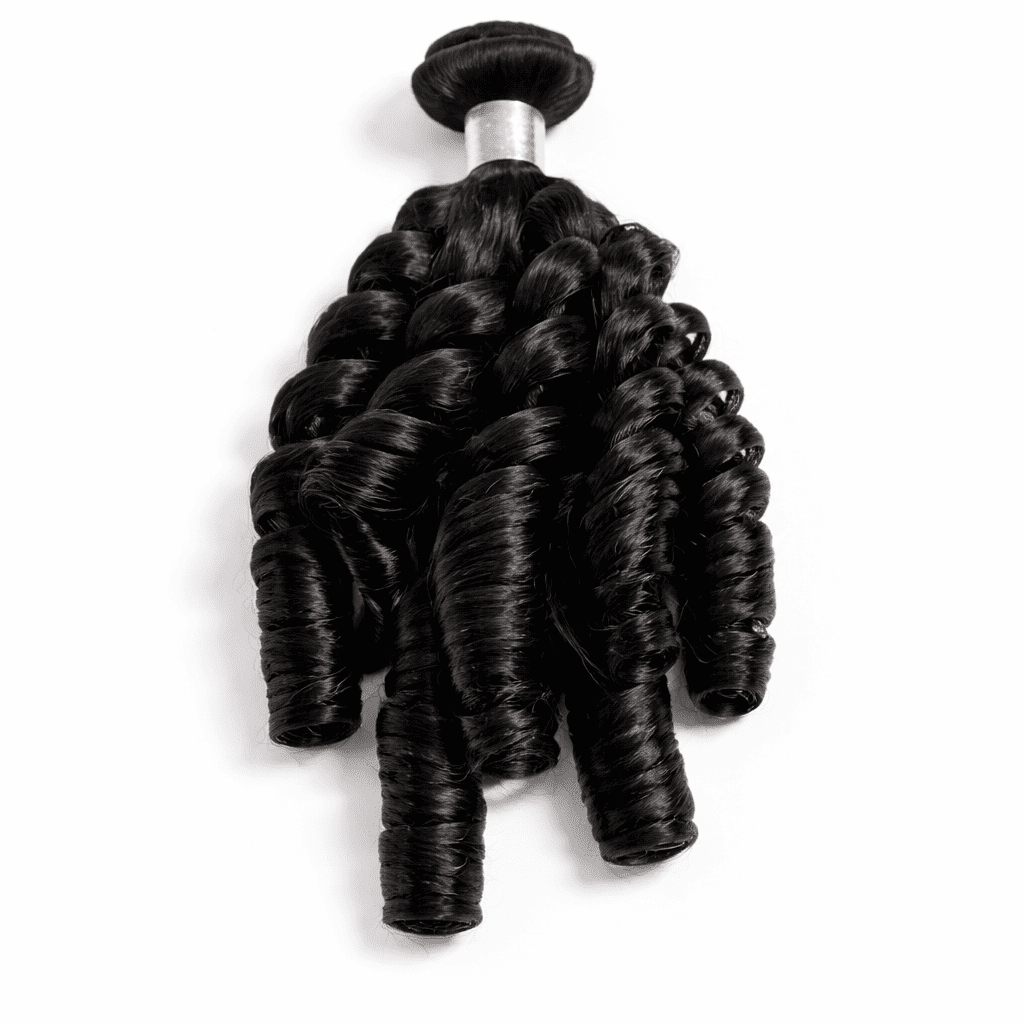
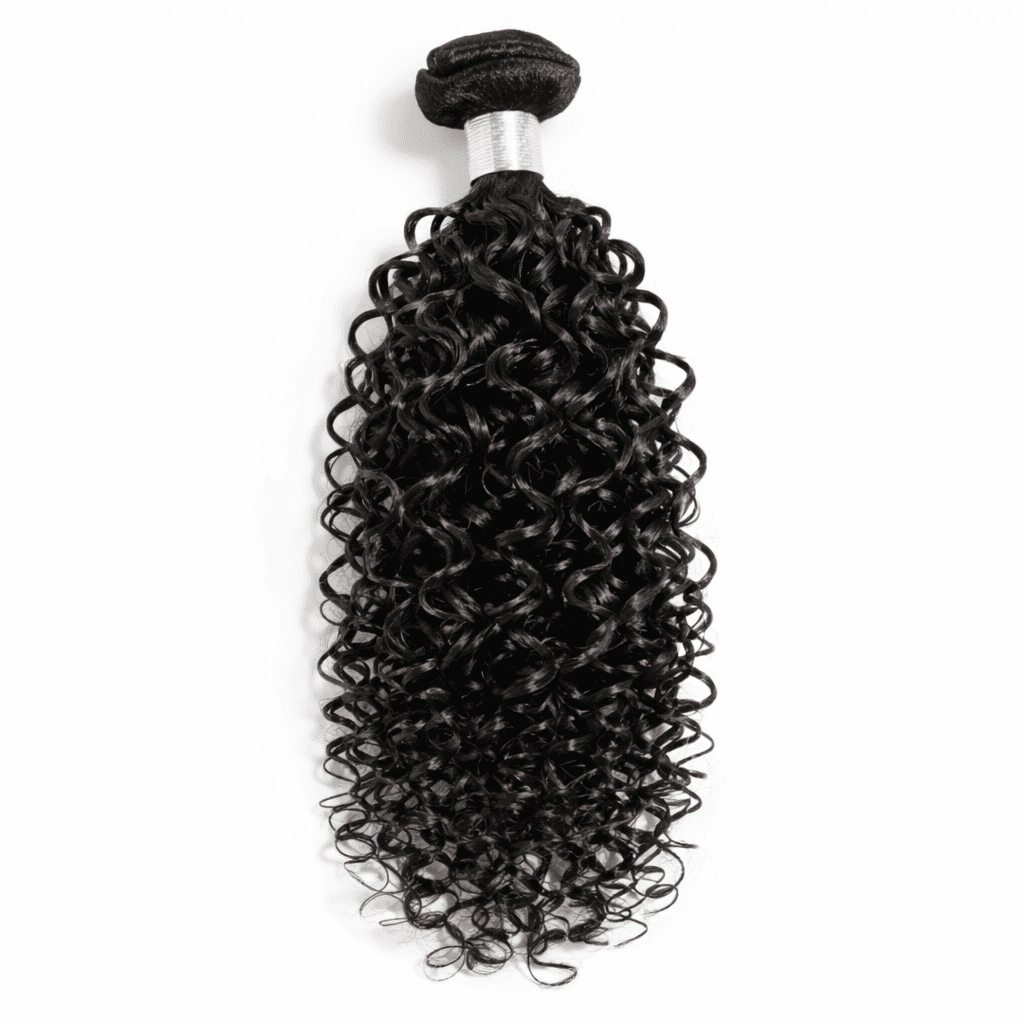
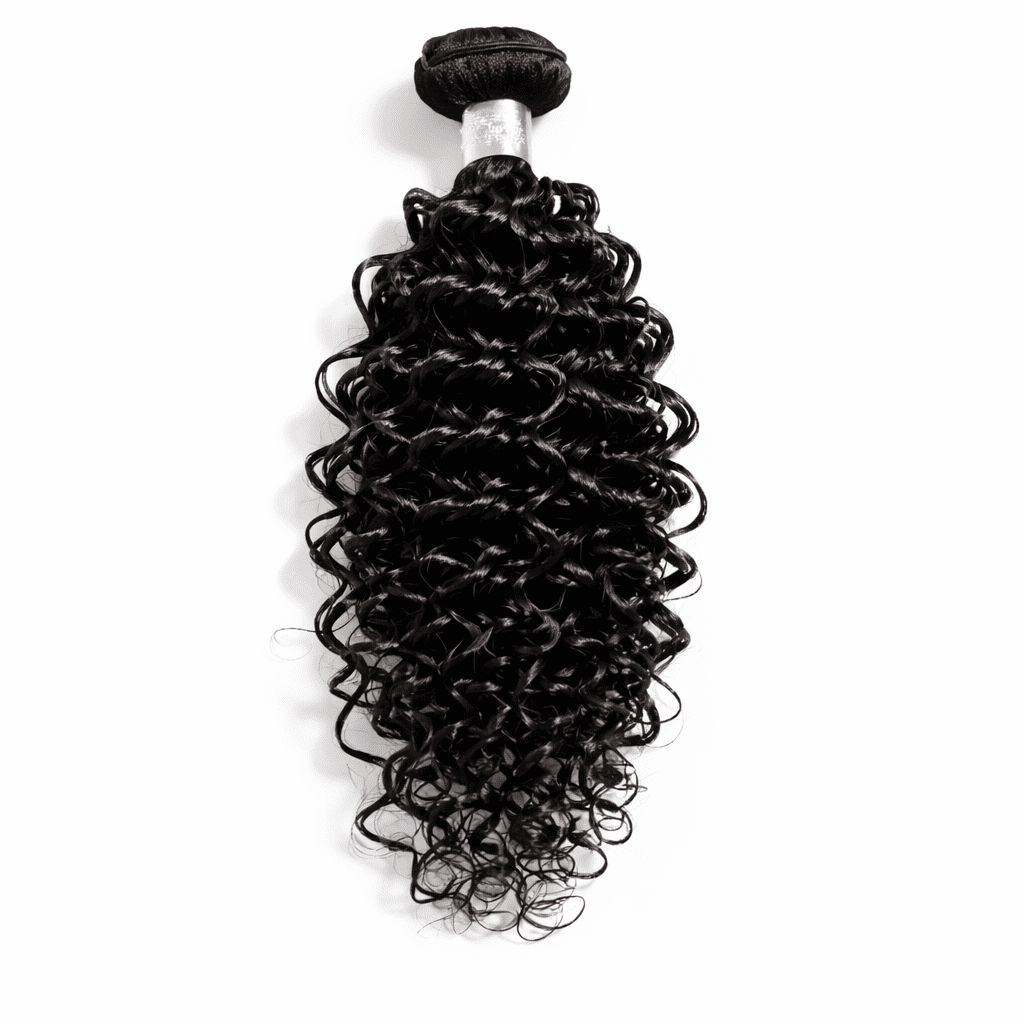
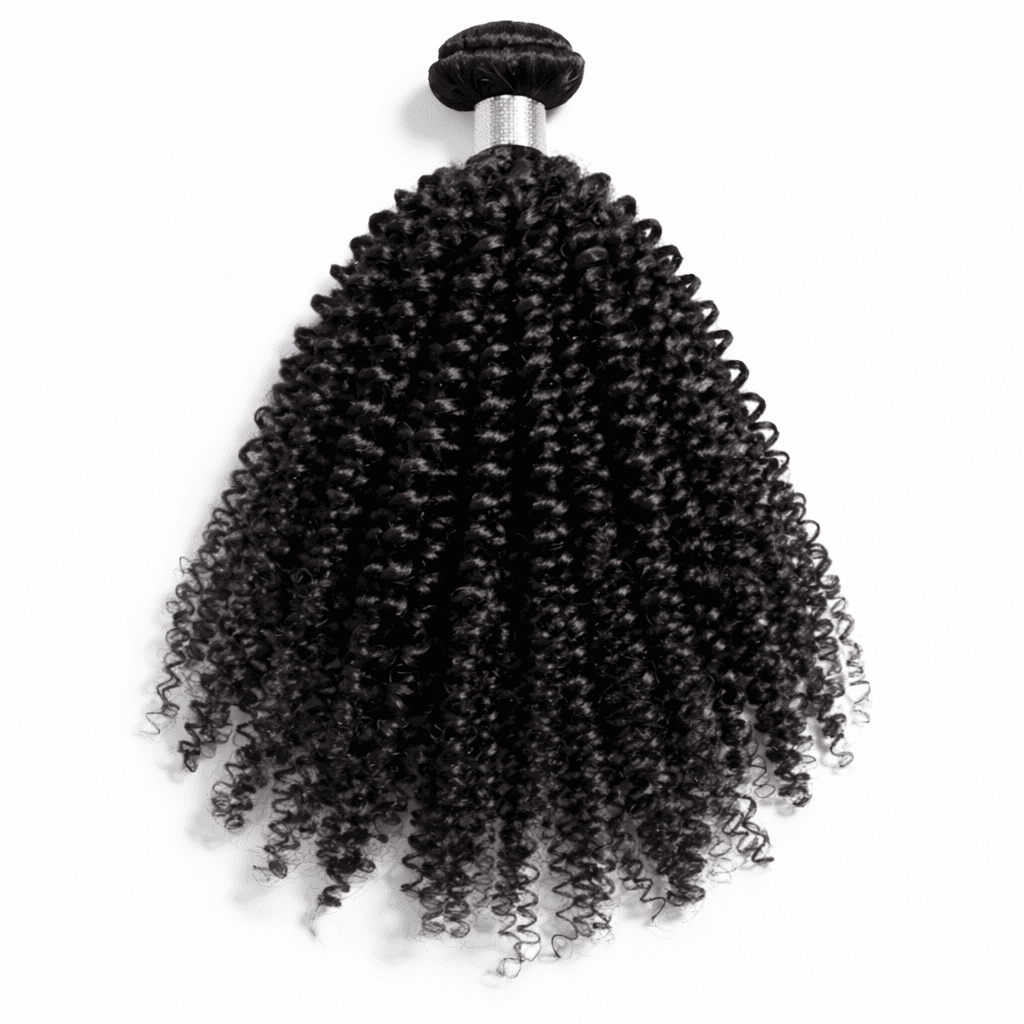
Straight and body wave textures tend to show frizz more visibly. Curly and deep wave textures are more forgiving in humidity because their natural pattern disguises minor frizz.